





Turn insights into action with a personalized patient plan
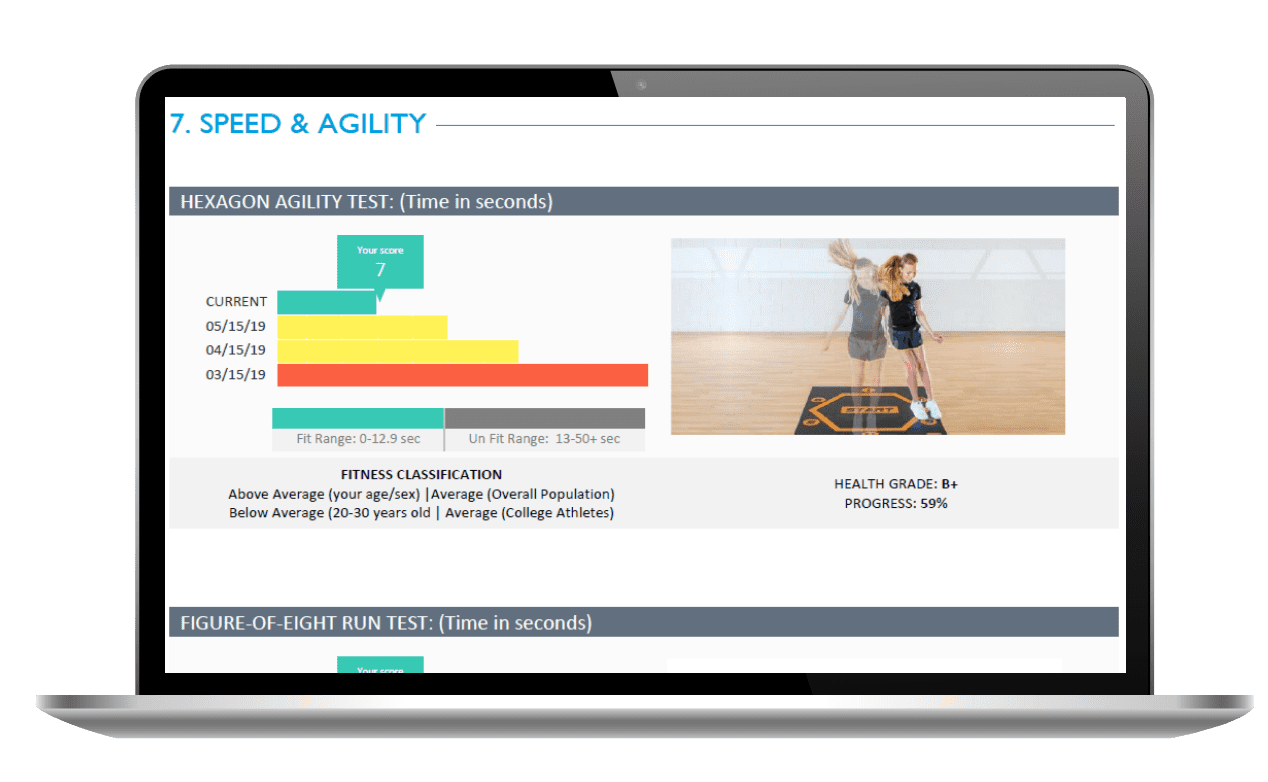
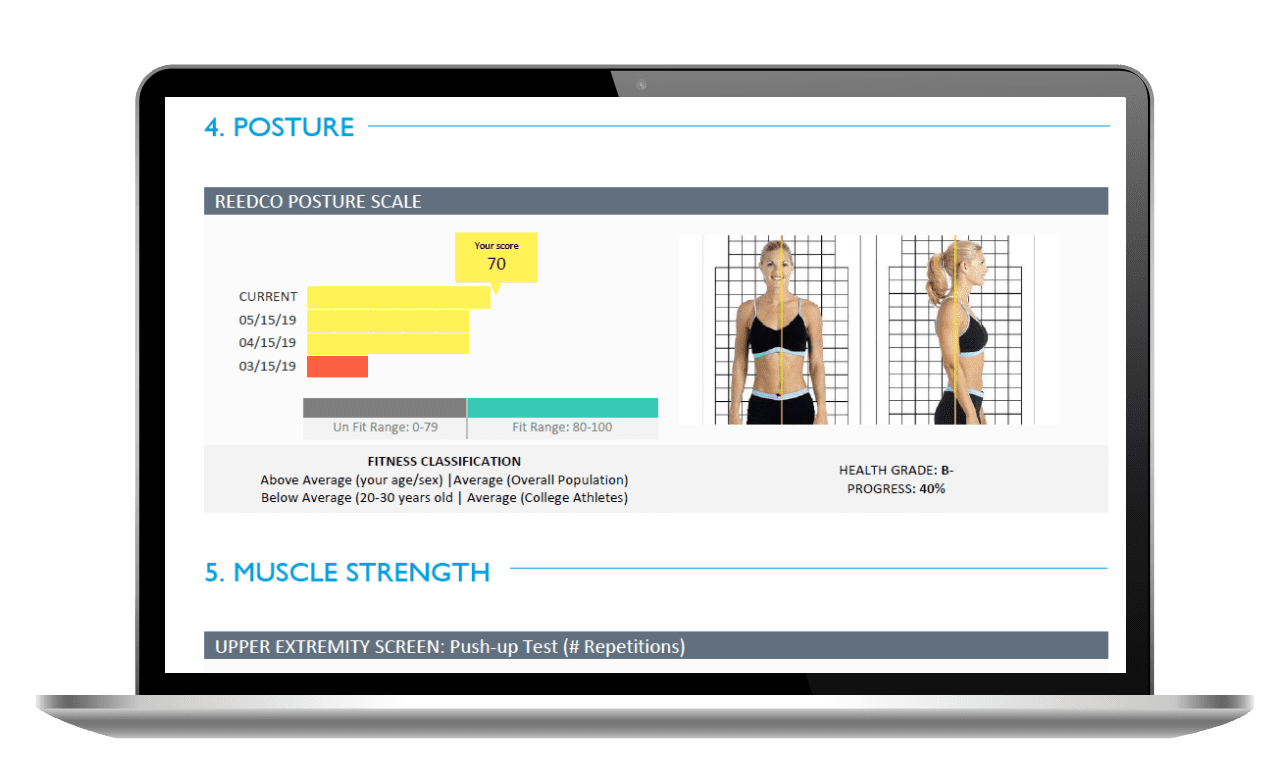
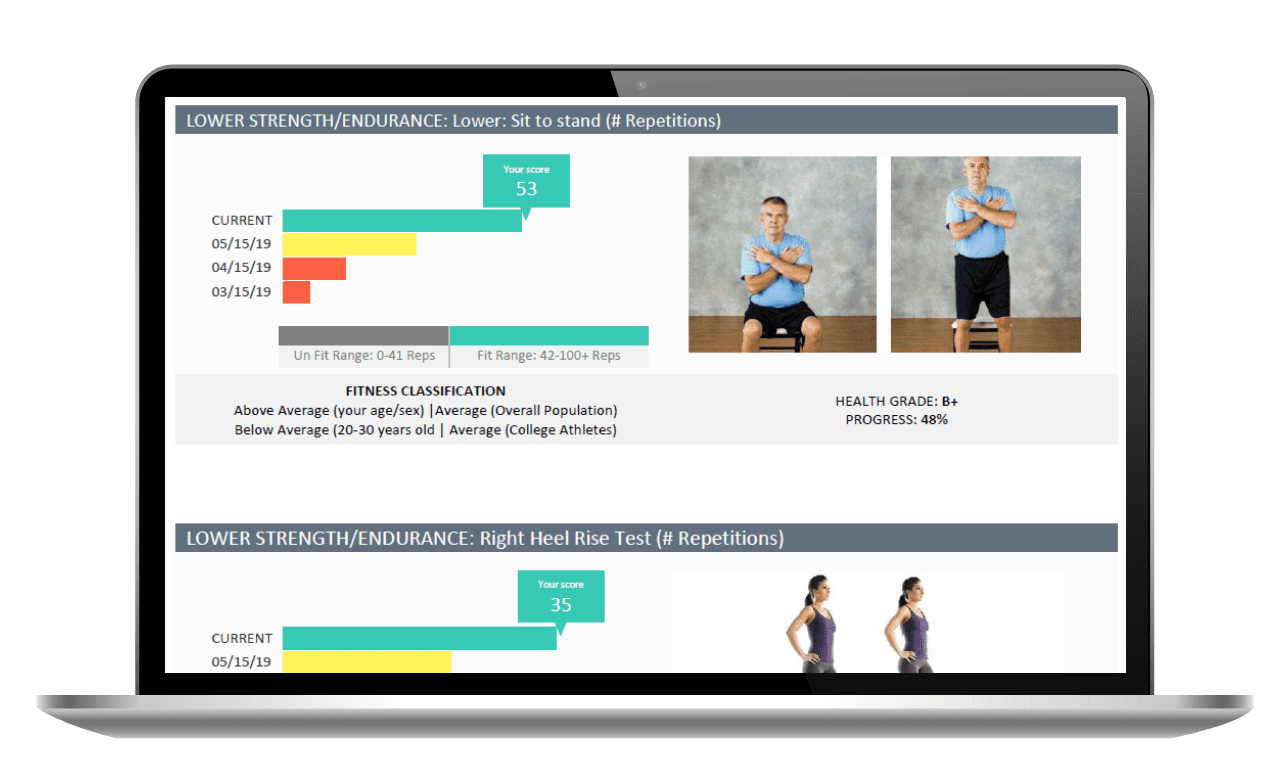
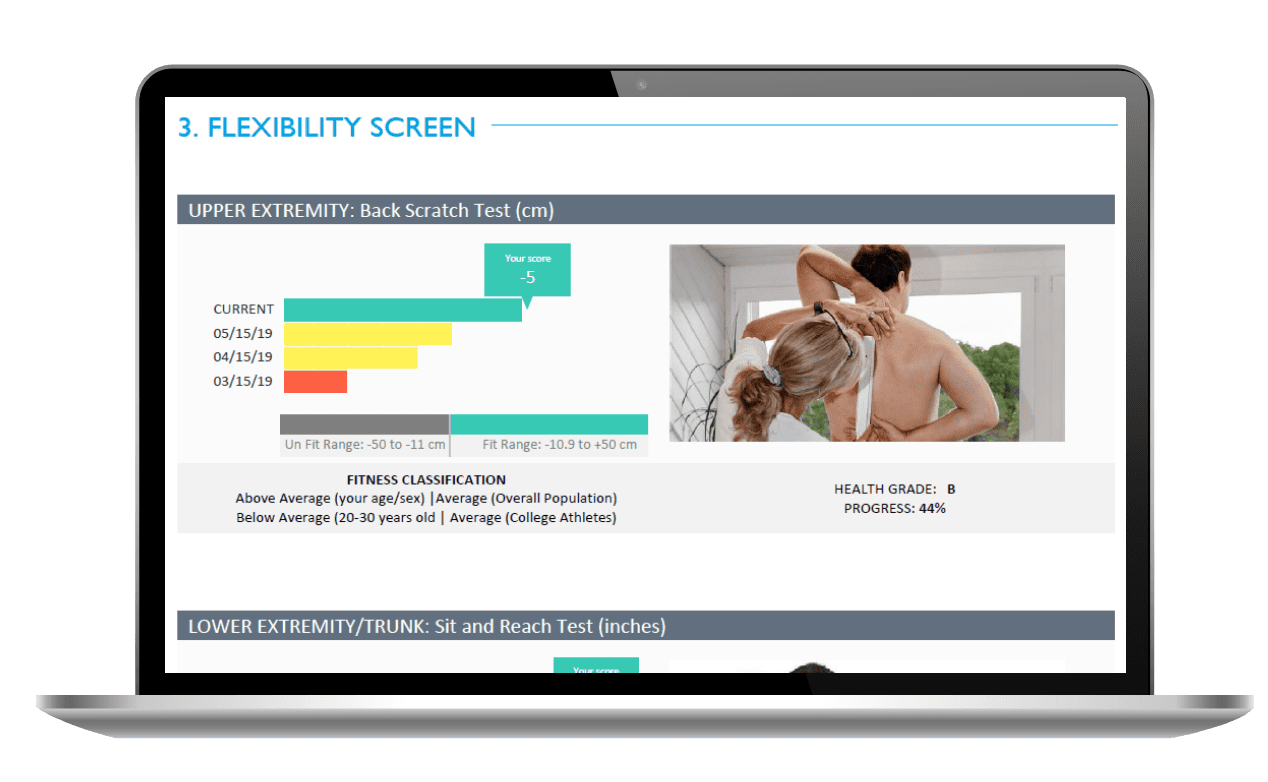
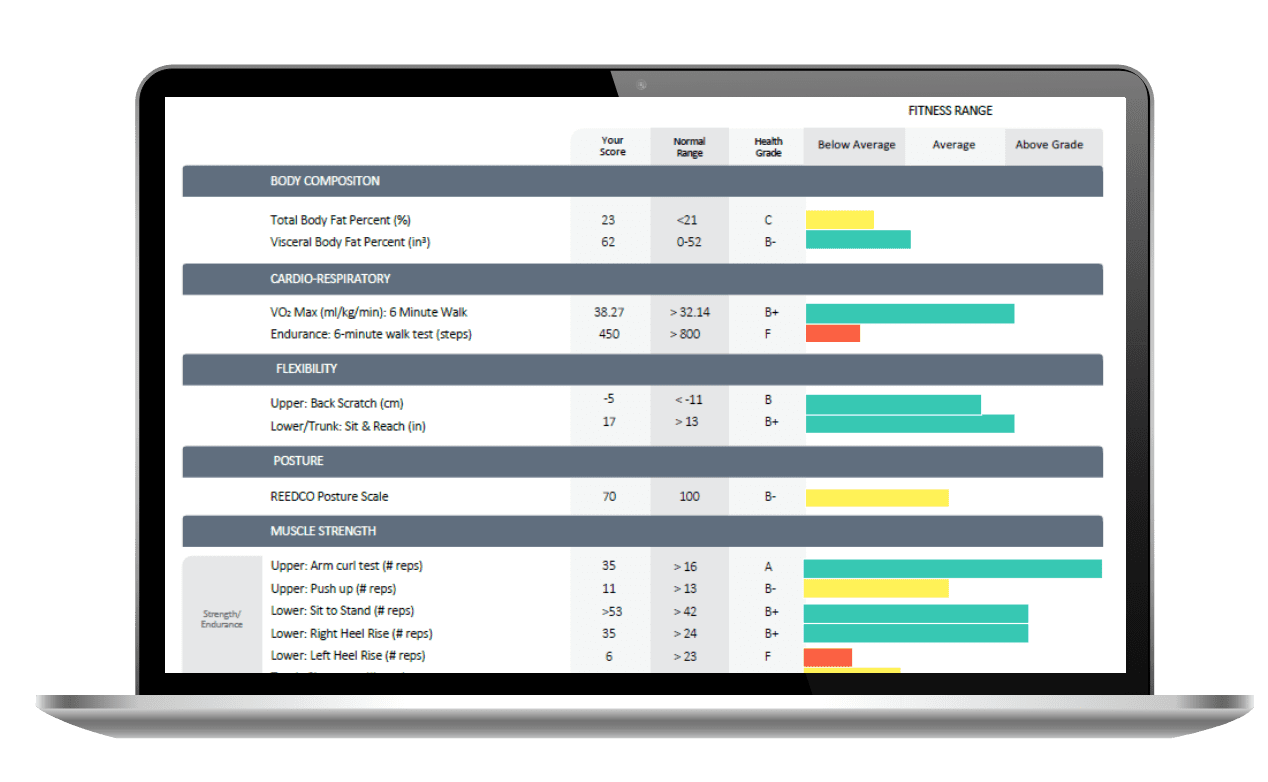
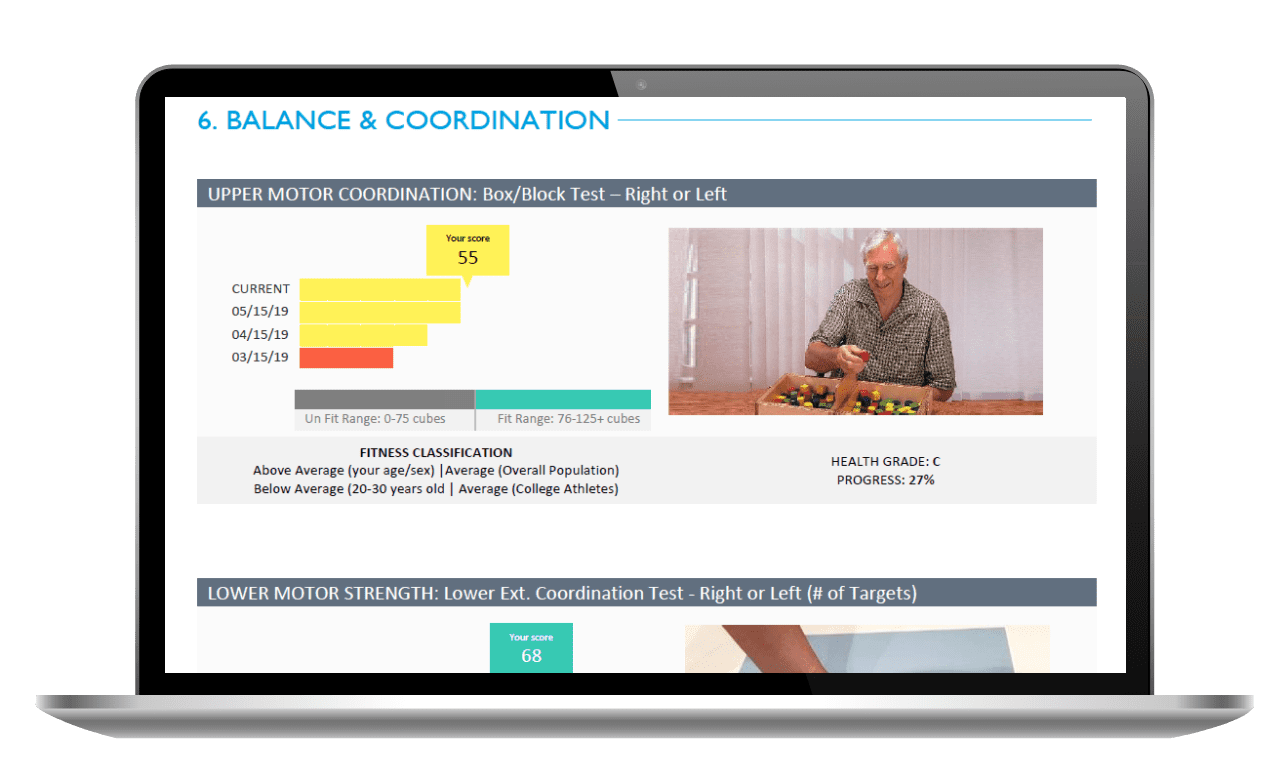
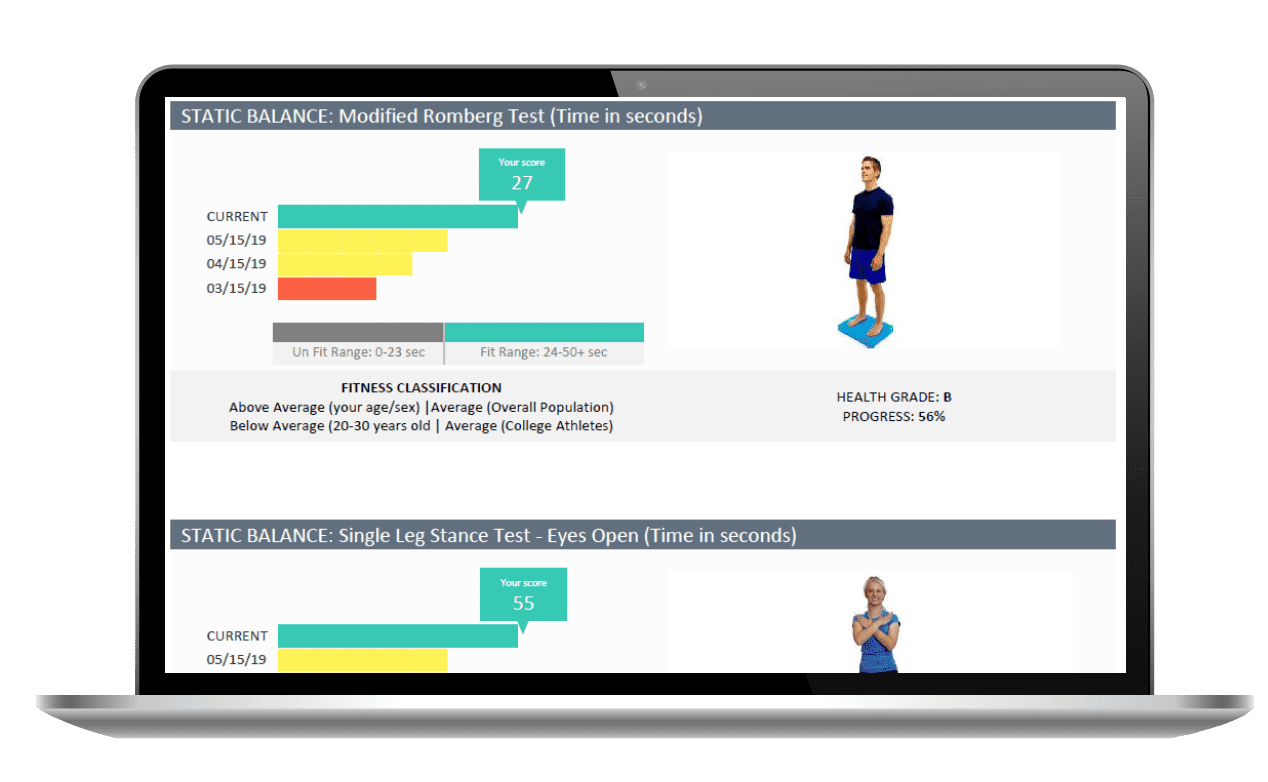
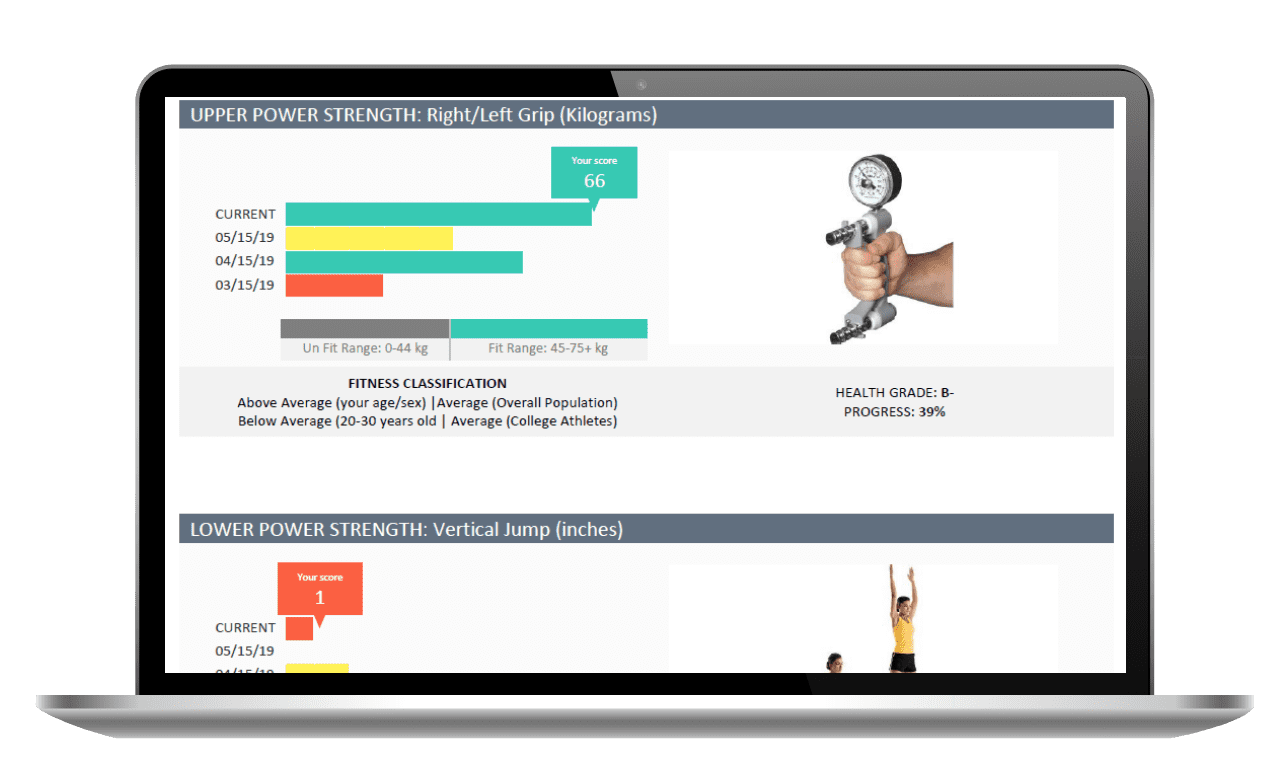
Produce detailed, professional-grade reports immediately—turn the results into a clear, personalized training program to help your client hit their goals.
Expand Your Practice. Strengthen Your Workforce.
Why Employers Trust FFTs to Protect Their Workforce
Safer Workforces
Identify risks and ensure employees can safely meet job demands
Smarter Productivity
Match worker abilities with tasks for improved efficiency
Lower Employer Costs
Prevent injuries early to reduce claims and absenteeism
Stronger Retention
Support hiring and long-term employee health with objective data
Partnering with employers to deliver functional fitness testing positions your practice as a trusted ally in workforce health. These services not only help businesses reduce injuries, costs, and turnover, but also create a steady stream of referrals and recurring revenue for your clinic. By offering objective, evidence-based testing, you expand your service line, strengthen employer relationships, and elevate your role as a key resource for employee health and performance.
The Smart Path to Practice Growth
Competitive advantage in your market
Expanded wellness service offerings
Increased patient loyalty through repeat visits
Objective results to personalize treatment plans
Benefits of Using FFTs for Employers and Organizations
Measure Workforce Health with Precision
Early Detection of Fitness Risk Factors
Boost Employee Engagement in Wellness
Standardized Testing Across All Ages
Track Measurable Progress Over Time
Objective Data to Guide Interventions
Lower Healthcare Costs Through Prevention
Improve Productivity and Workforce Resilience
Simple Protocols, Clinically Valid Results
HIPAA-Compliant Cloud-Based Platform
Customized Reports with Your Branding
Evidence-Based Assessments Employers Trust
FAQ
References:
Ware JE Jr. SF-36 health survey update. Spine (Phila PA 1976). 2000:25(24);3130-3139.
Ware JE, Kosinski M, and Keller SK. (1994). SF-36 Physical and Mental Health Summary Scales: A User’s Manual. Boston, MA: The Health Institute.
Milani RV, Lavie CJ. Impact of worksite wellness intervention on cardiac risk factors and one-year health care costs. Am J Cardiol. 2009;104(10):1389-1392.
Baicker K, Cutler D, Song Z. Workplace wellness programs can generate savings. Health Aff (Millwood). 2010;29(2):304-311.
Aldana SG. Financial impact of health promotion programs: a comprehensive review of the literature. Am J Health Promot. 2001;15(5):296-320.
Bolnick H, Millard F, Dugas JP. Medical care savings from workplace wellness programs: what is a realistic savings potential? J Occup Environ Med. 2013;55(1):4-9.
Chapman LS. Meta-evaluation of worksite health promotion economic return studies: 2012 update. Am J Health Promot. 2012;26(4):TAHP1-TAHP12.
Pelletier B, Boles M, Lynch W. Change in health risks and work productivity over time. J Occup Environ Med. 2004;46(7):746-754.
Burton WN, Chen CY, Conti DJ, Schultz AB, Edington DW. The association between health risk change and presenteeism change. J Occup Environ Med. 2006;48(3):252-263.