


From Assessment to Action in Minutes!
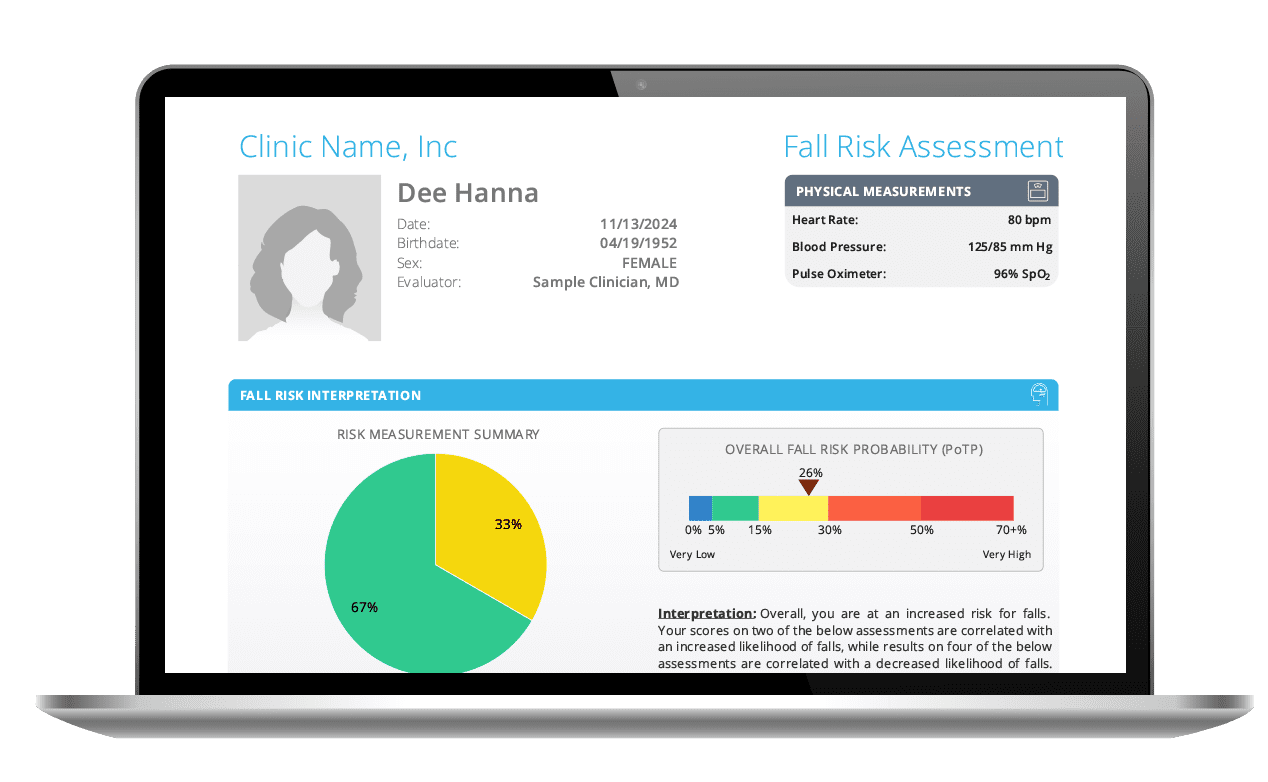
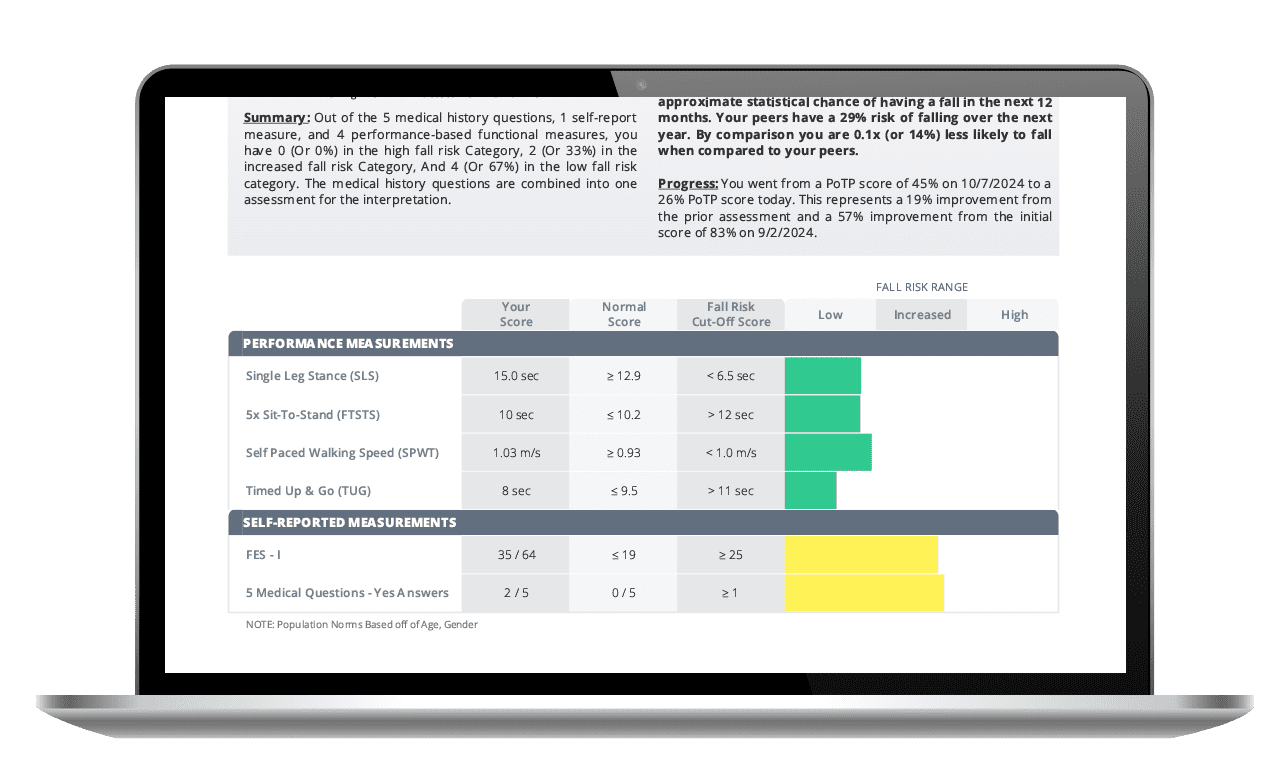
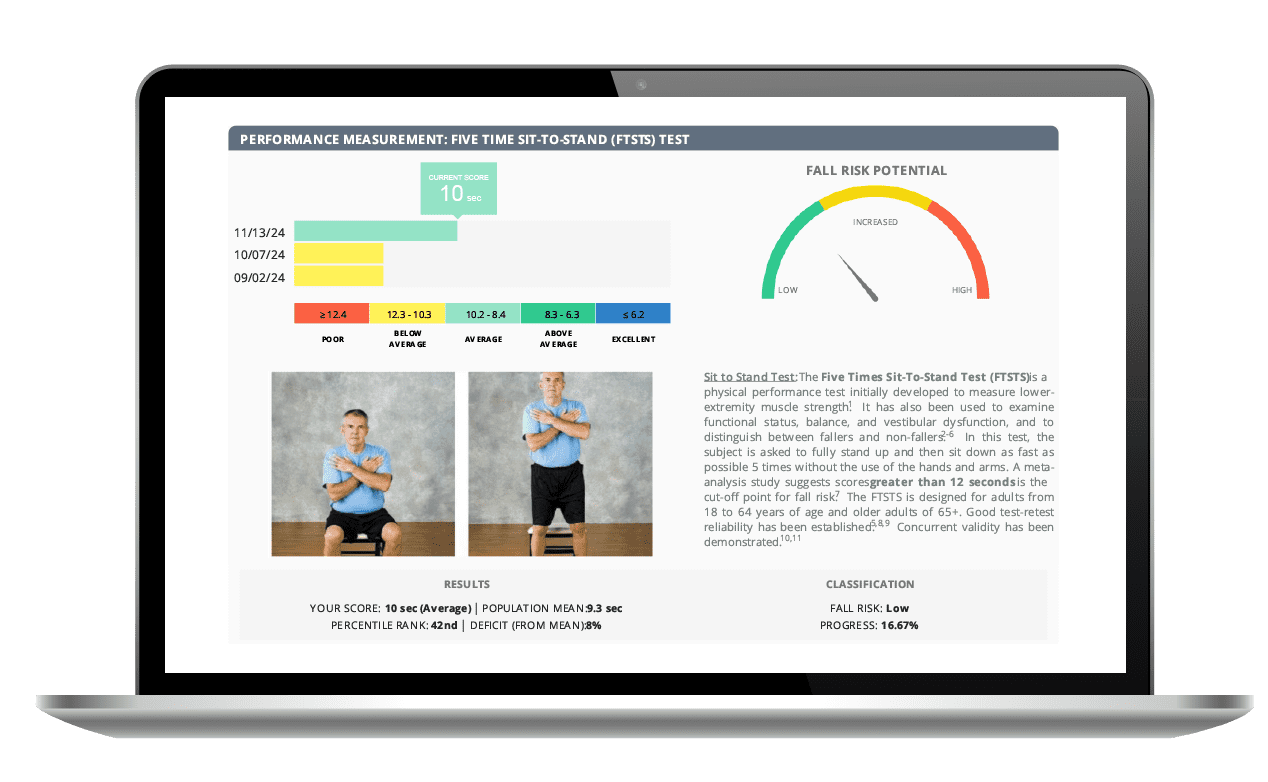
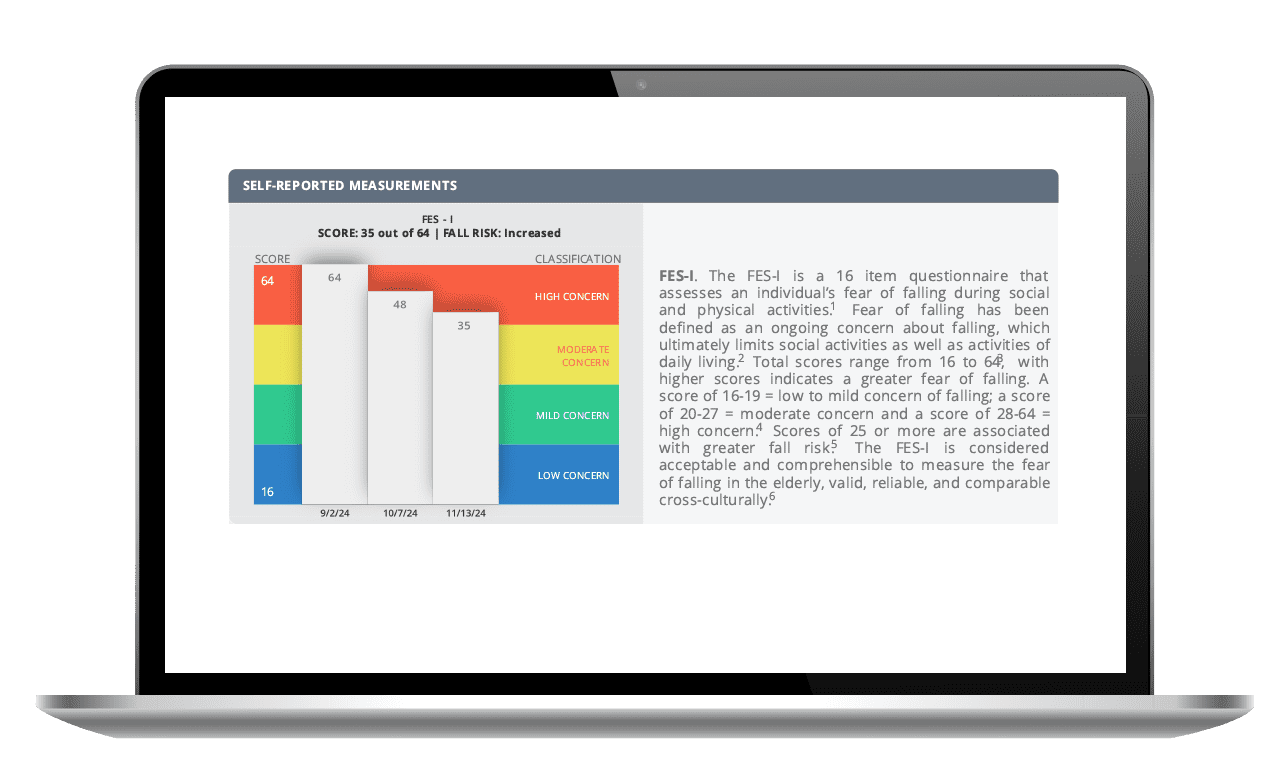
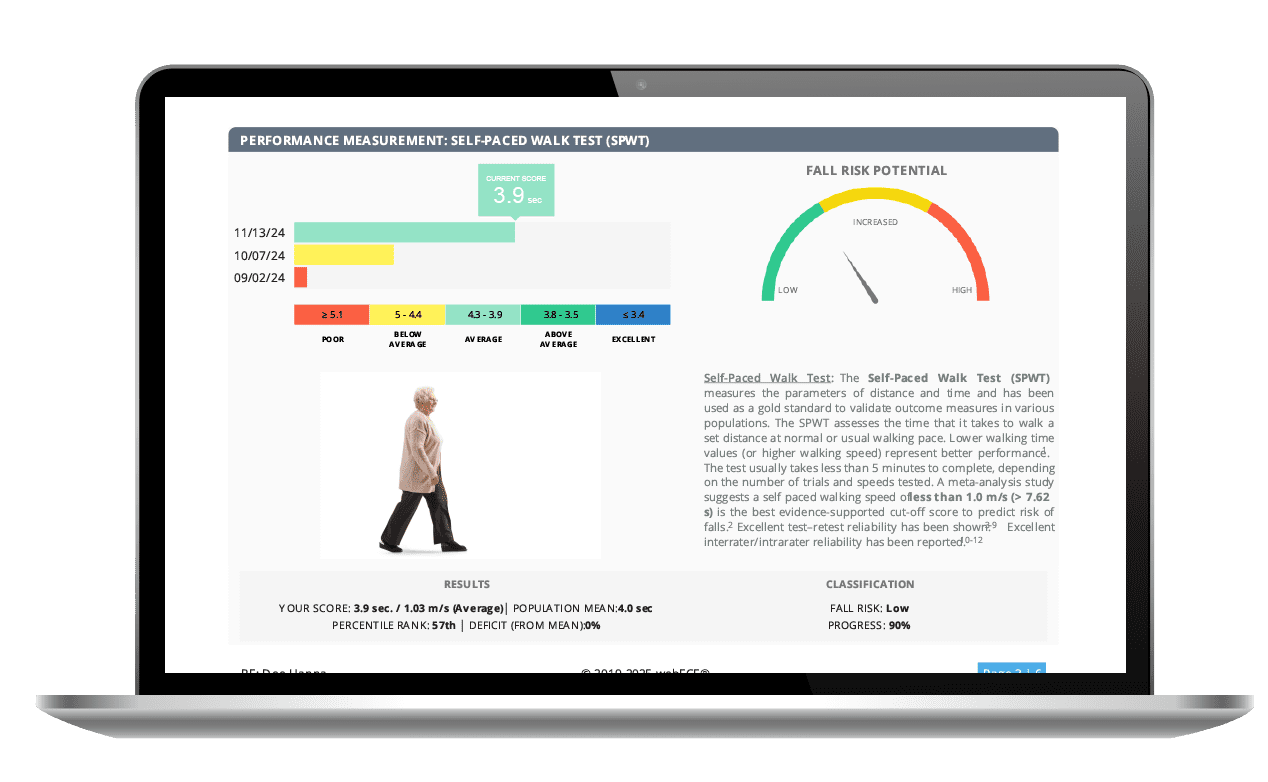
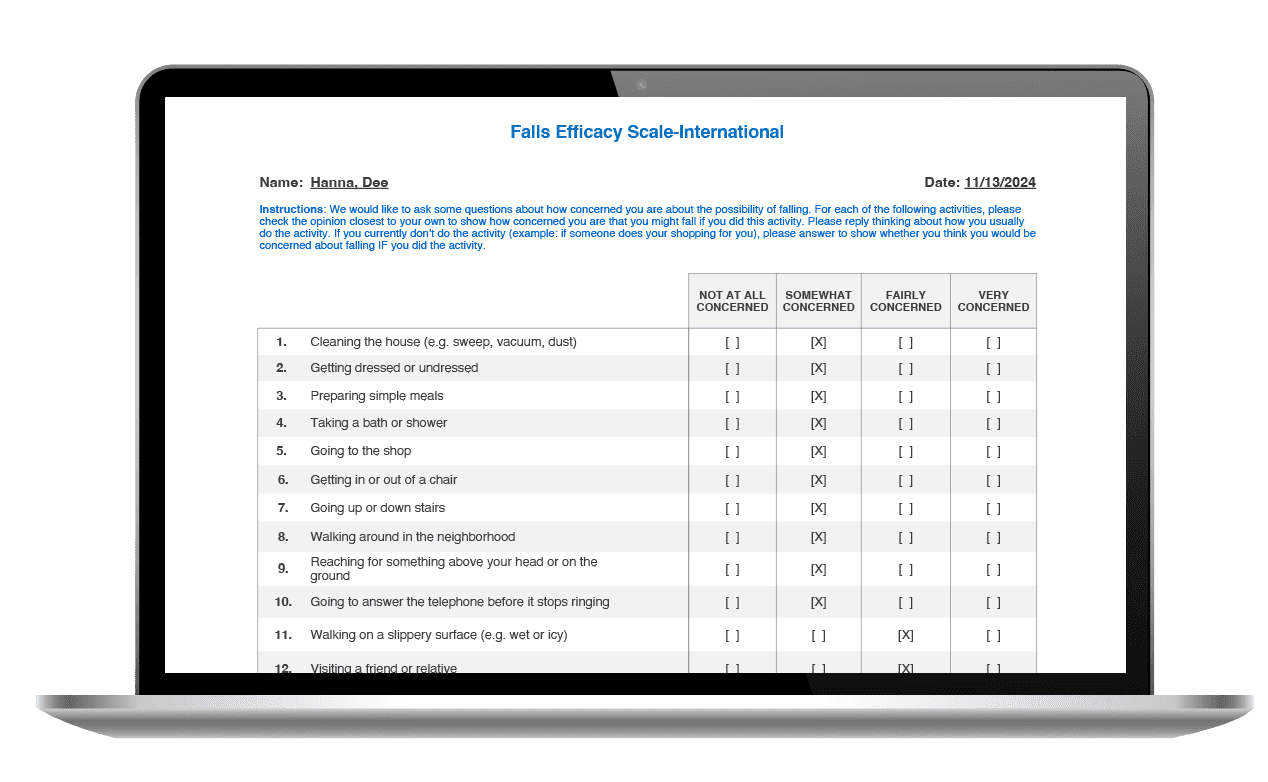
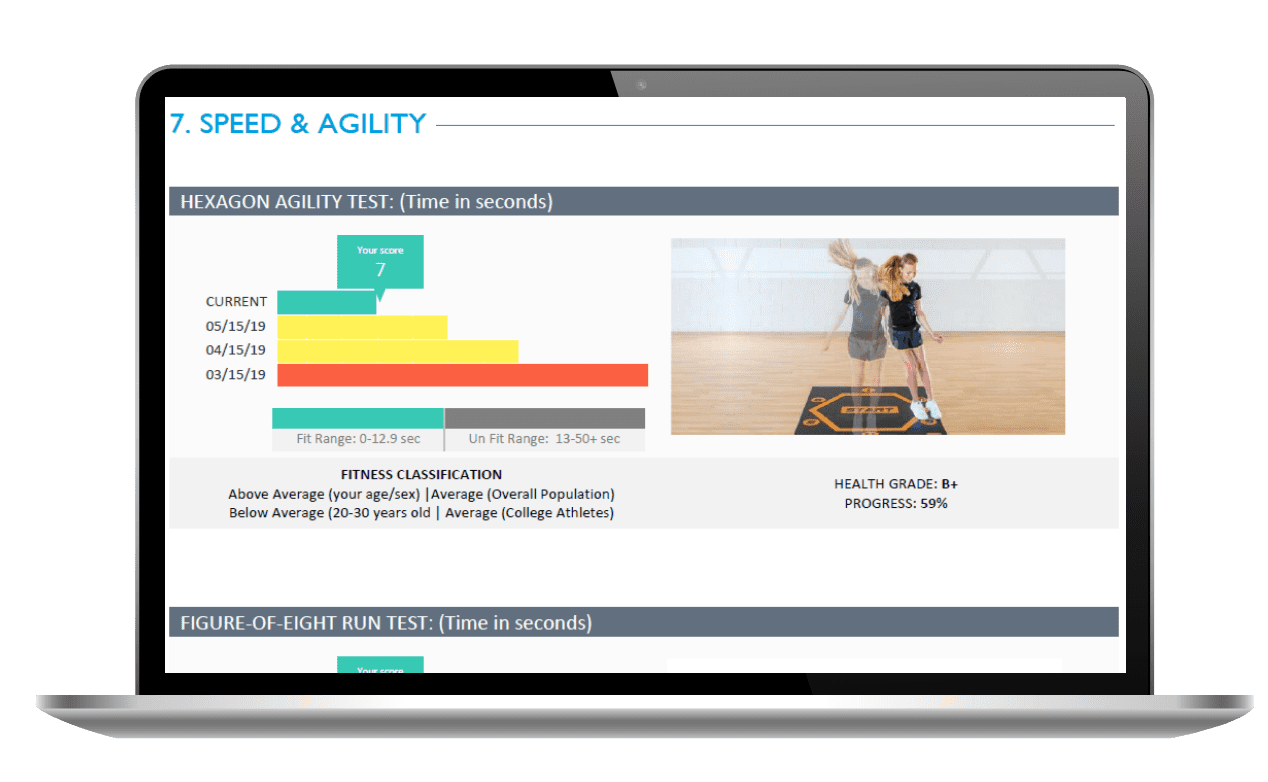
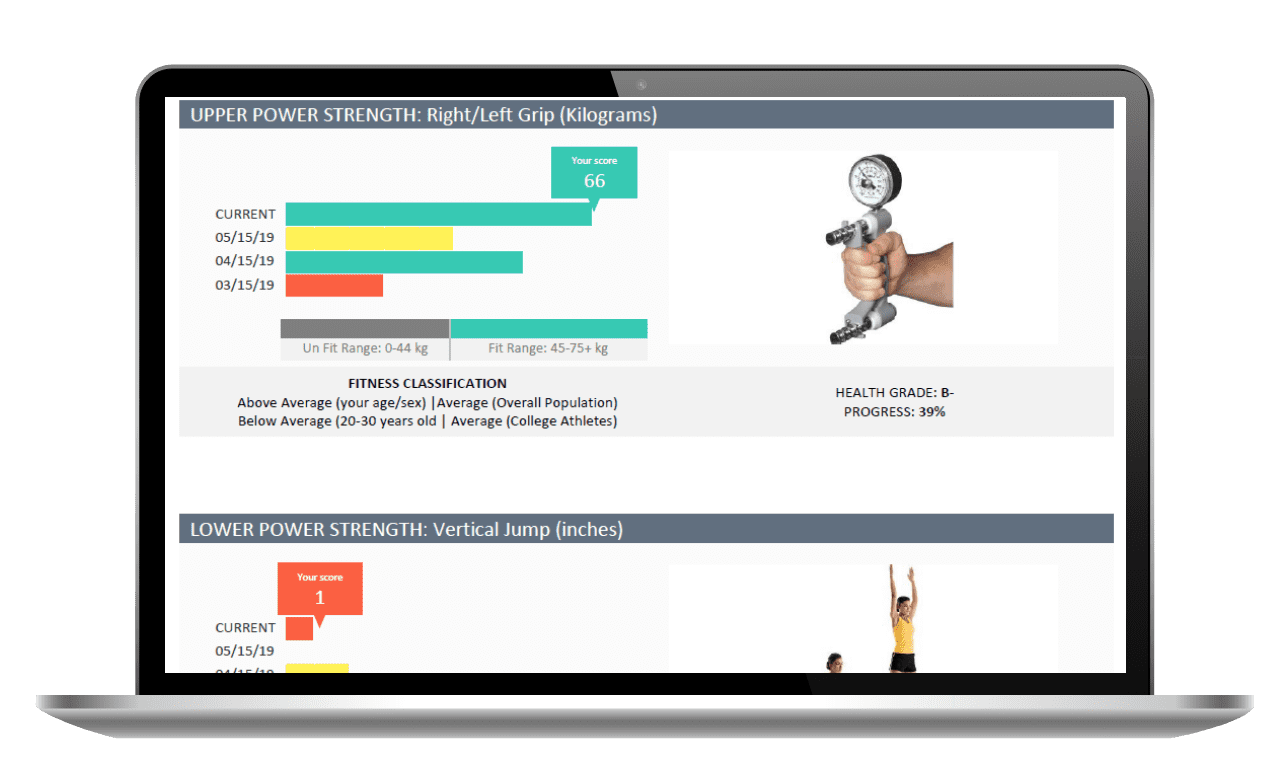
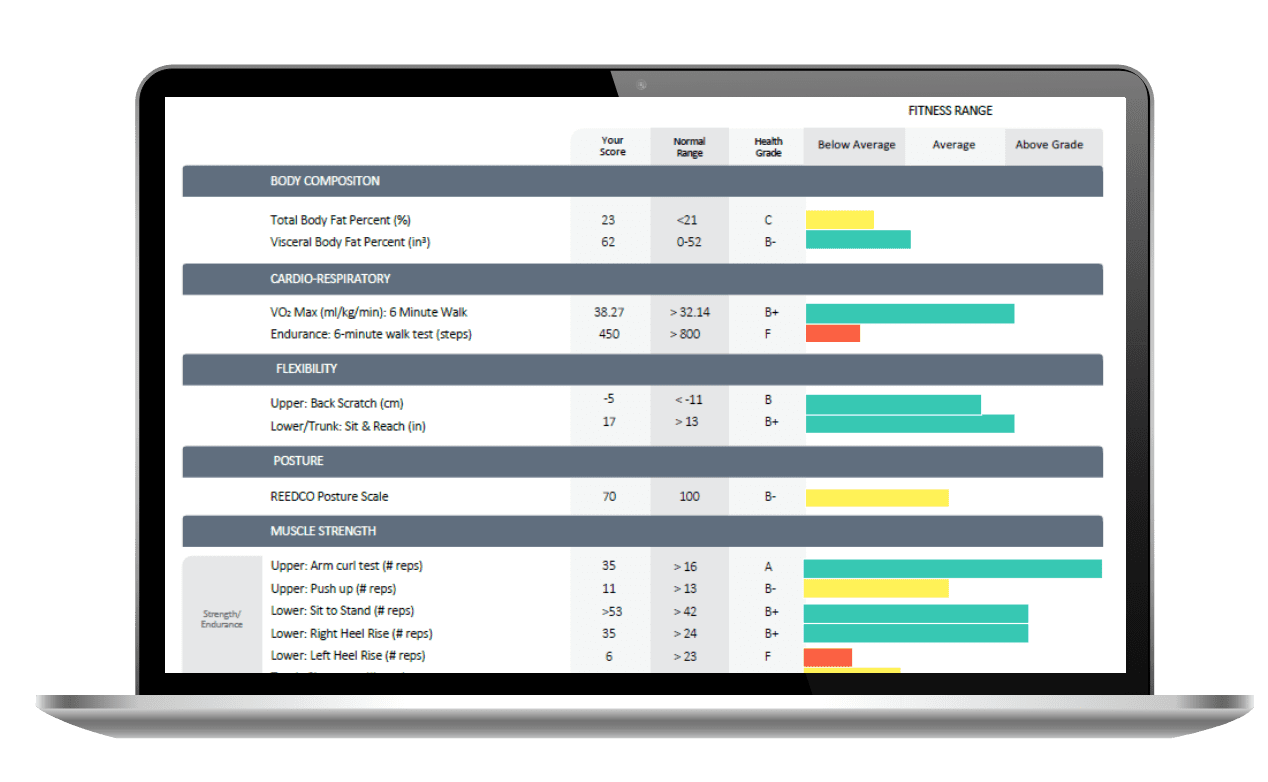
Generate precise, clinician-grade reports instantly—and transform results into tailored care plans that reduce fall risk and support safer, stronger outcomes.
Safer Seniors, Stronger Practices, Proven Results
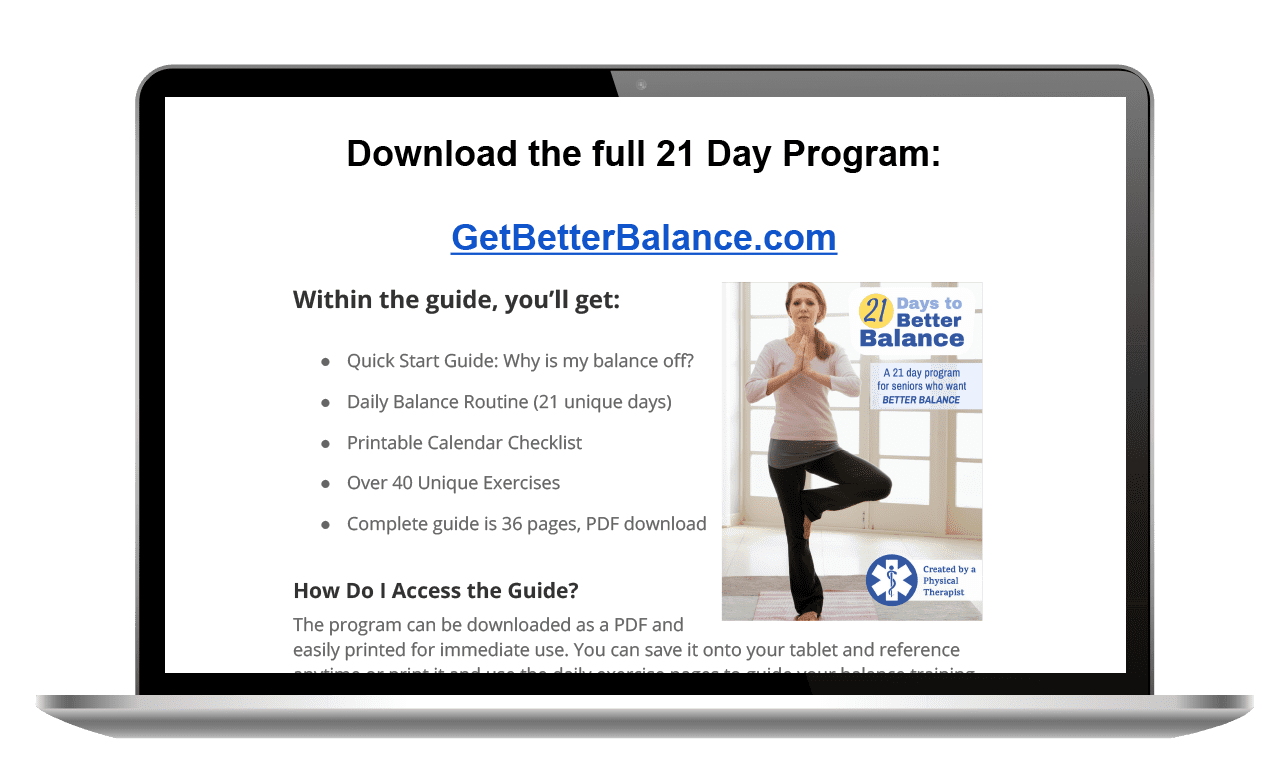
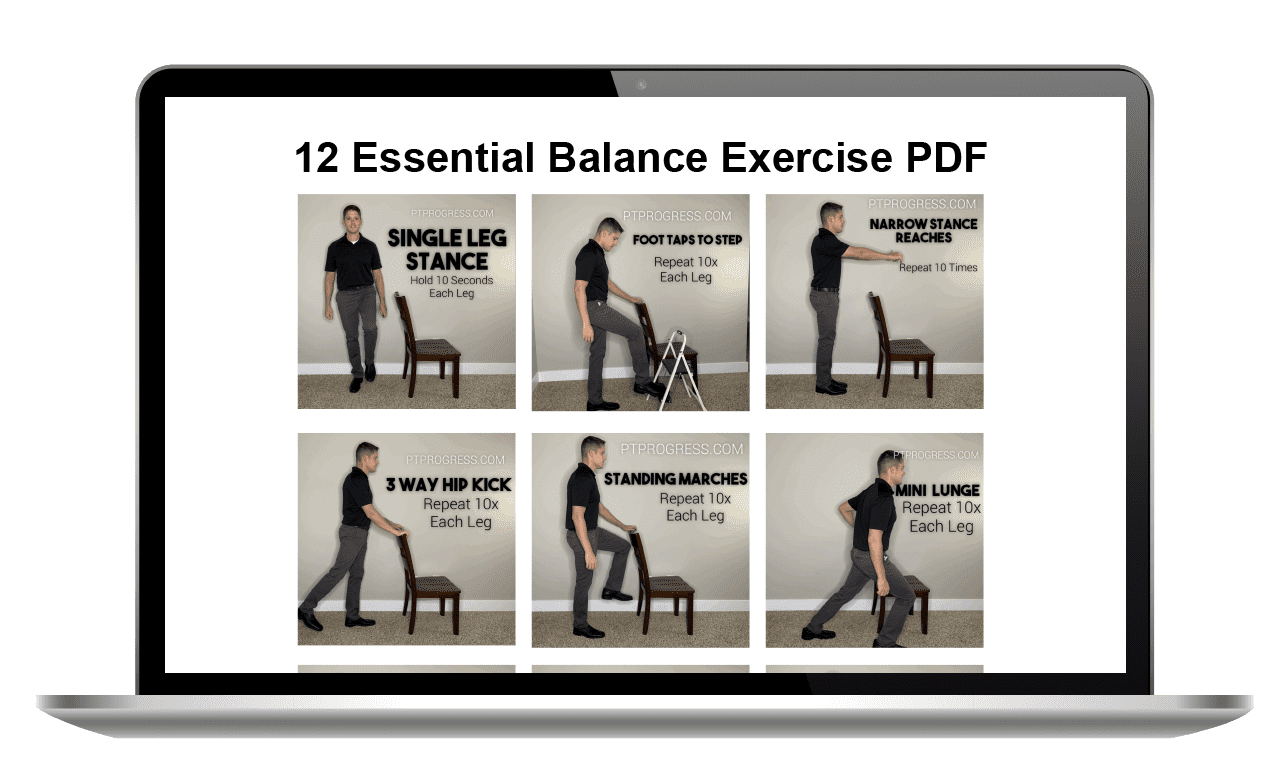
Partnering healthcare professionals with senior care facilities creates a powerful continuum of care. Clinicians bring evidence-based assessments and personalized interventions directly into the senior living environment, while facilities gain objective tools to enhance safety and wellness programs. Seniors benefit most—receiving proactive, coordinated support that reduces risk, promotes independence, and improves quality of life. For providers, offering fall risk assessments not only elevates care quality but also creates a valuable service line that supports practice growth and sustainability. The result is a win for patients, providers, and facilities alike.
Smarter Clinical Decisions
Practice Growth Made Simple
Retain and Re-engage Patients
Objective results encourage repeat visits and ongoing care plans.
Proven Population Impact
Boost Facility Value
Empowered Seniors
Stronger Healthcare Systems
Reduced fall-related admissions lower costs and align with value-based care initiatives⁴.
System-Wide Savings
Fewer fall-related hospitalizations mean reduced costs and improved population health outcomes⁴.
Reducing Falls, Lowering Costs, Improving Outcomes
Fall Risk Assessments provide measurable benefits for clinicians, seniors, and the healthcare system. Clinicians gain objective, evidence-based insights that support precise treatment planning and documentation. Seniors receive a clearer understanding of their strengths and vulnerabilities, empowering them to take proactive steps toward independence and safety. At the system level, these assessments help reduce costly fall-related hospitalizations, improve population health outcomes, and support value-based care initiatives⁴. Together, they transform fall prevention from guesswork into a structured, measurable strategy.
Falls among older adults 65 and older caused over 34,000 deaths in 2019, making it the leading cause of death for that group⁵.
In 2019, the emergency department recorded 3 million visits for older adult falls5.
Older adult falls cost $50 billion in medical costs annually, with ¾ paid by Medicare and Medicaid5.
FAQ
References:
1. Lusardi et al. (2017) — systematic review, foundation for 12 tools.
2. Shumway-Cook et al. (2009) — population norms and probability modeling.
3. Hagan et al. (2016) — statistical approaches (post-test probability).
4. CMS MIPS #155 — policy/quality reporting.
5. CDC & peer-reviewed sources (Bergen 2016; Florence 2018) — falls, ED visits, mortality, costs.