





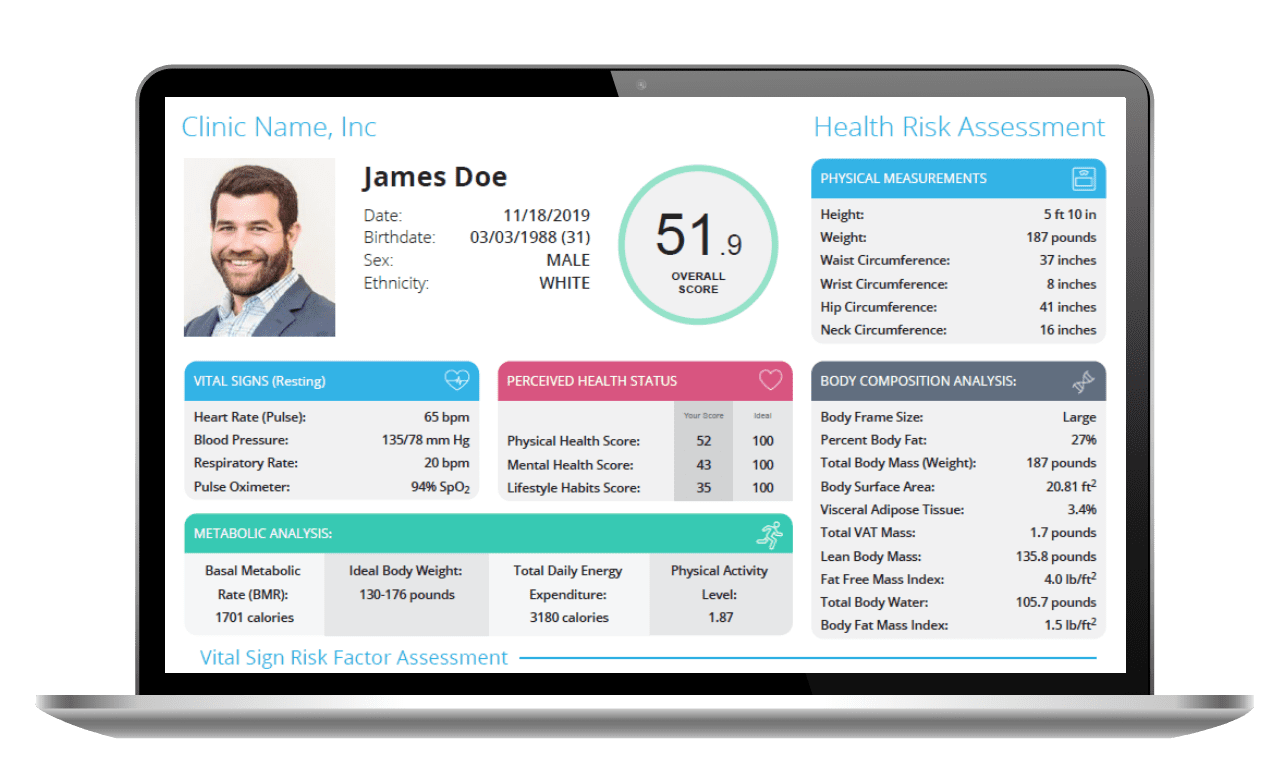
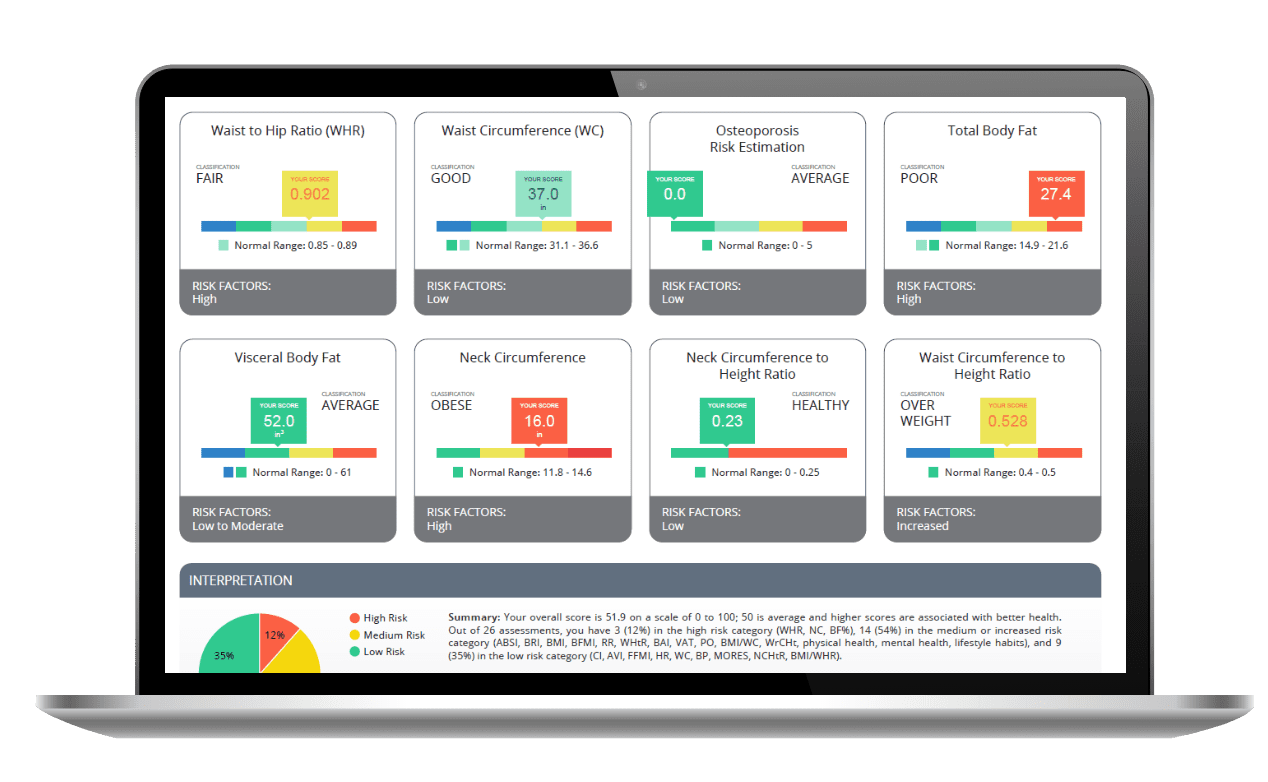
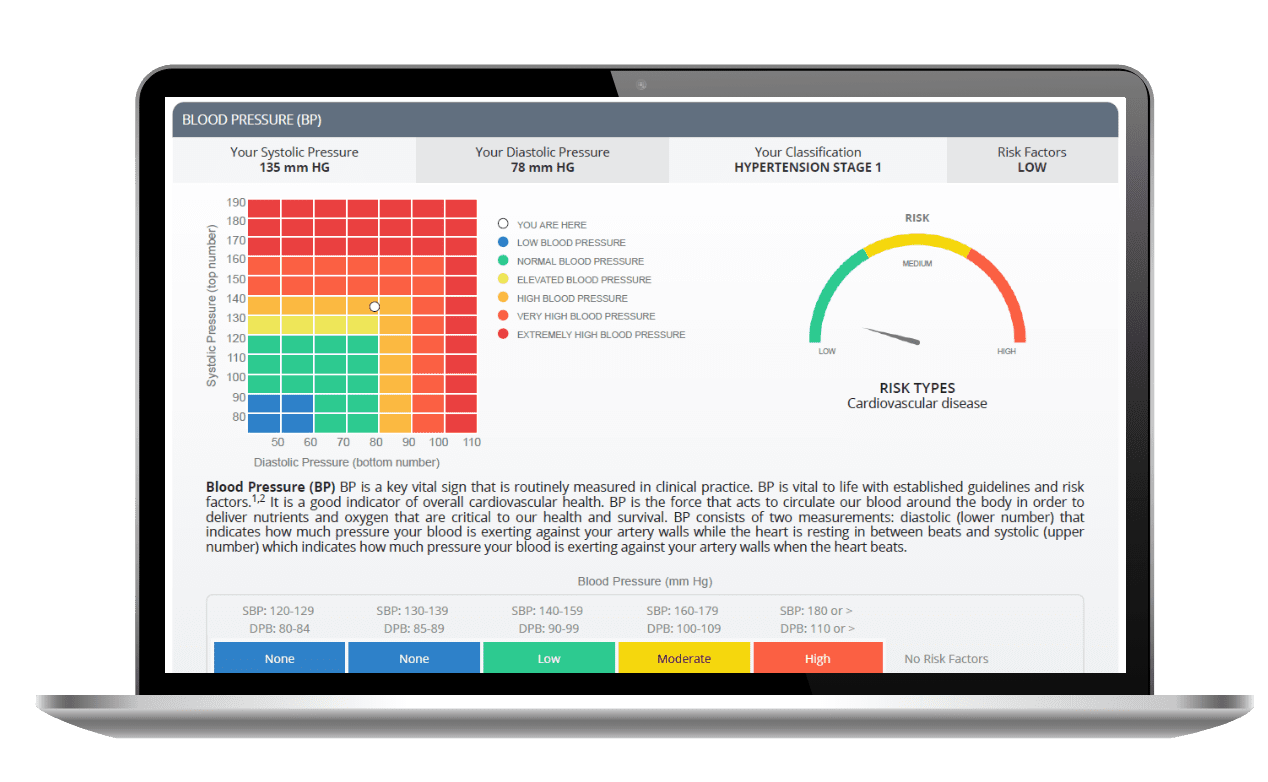
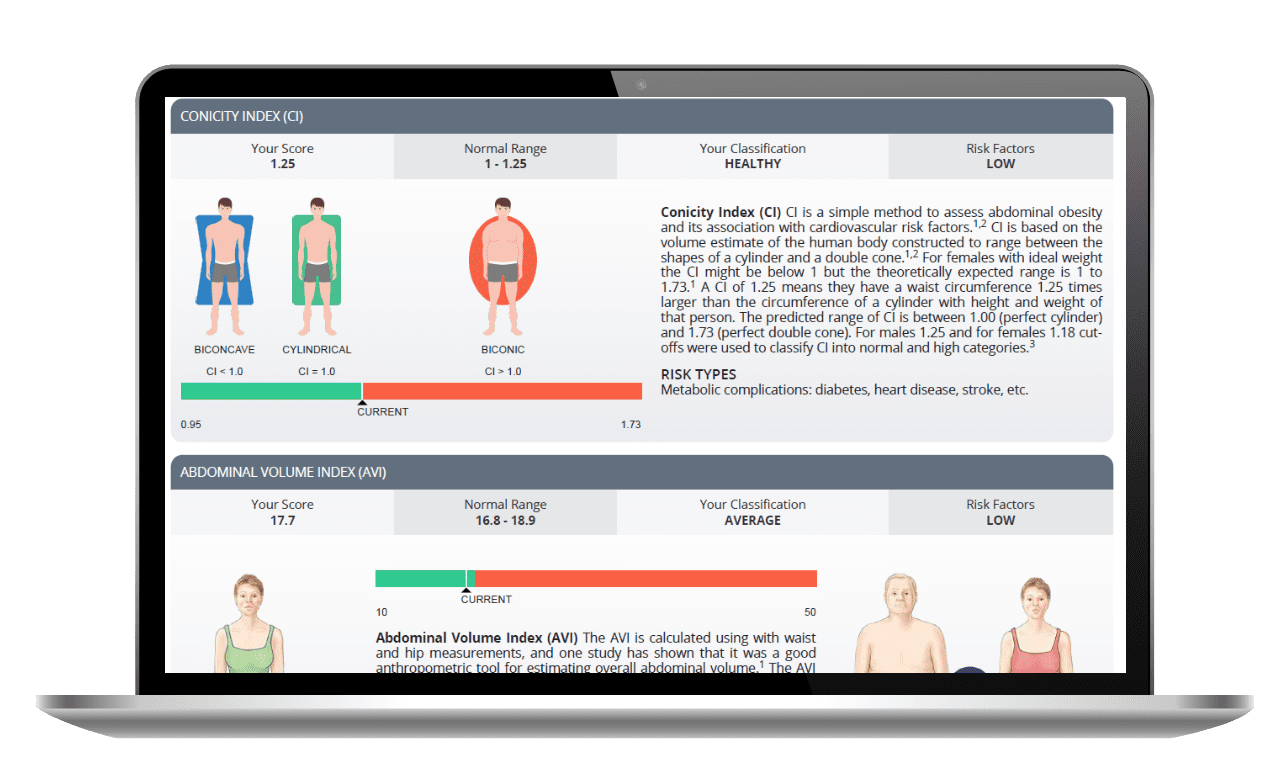
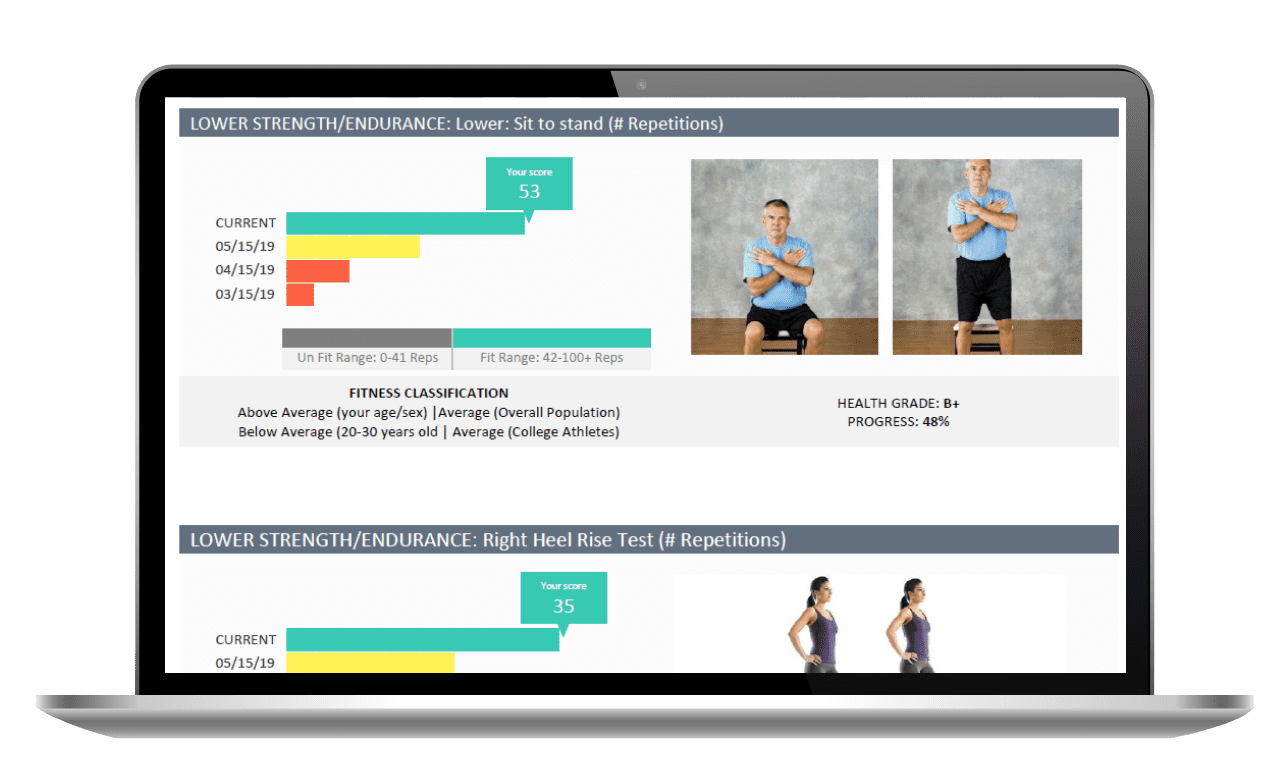
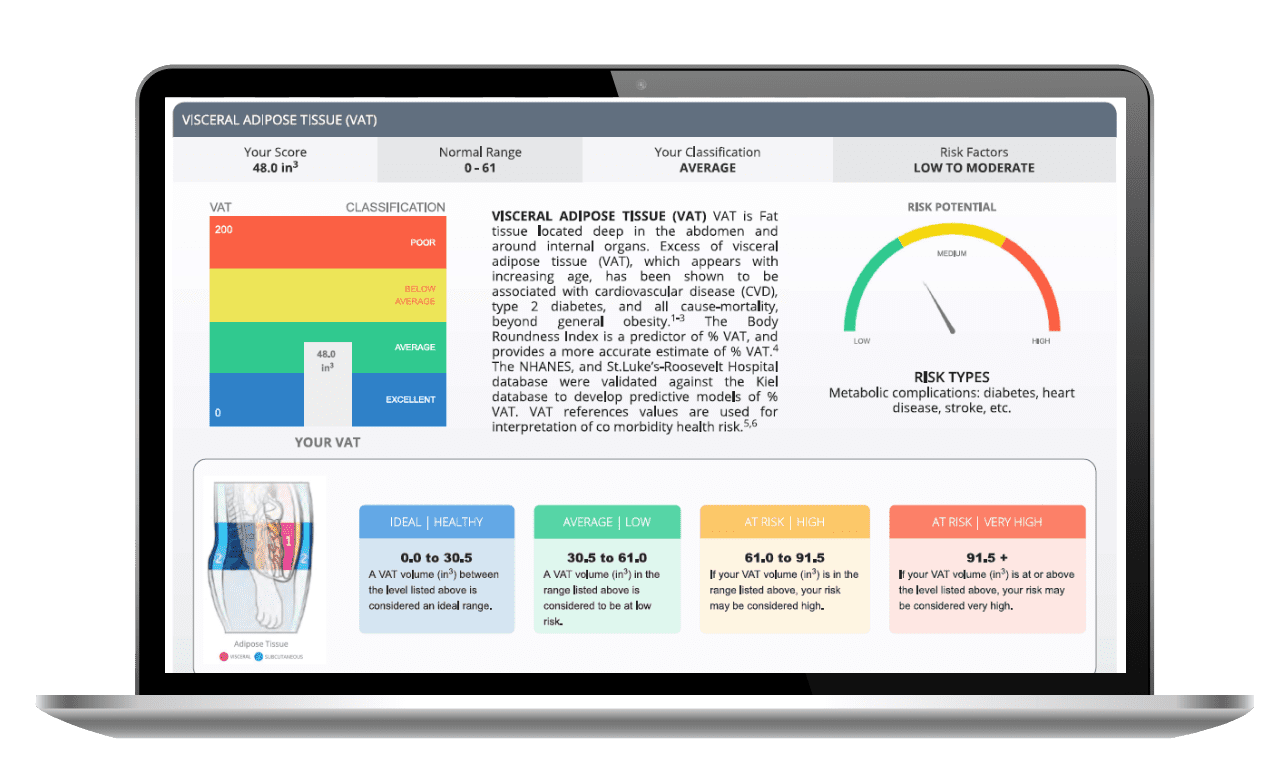
Our Software Automatically Generates a Comprehensive, Detailed Report
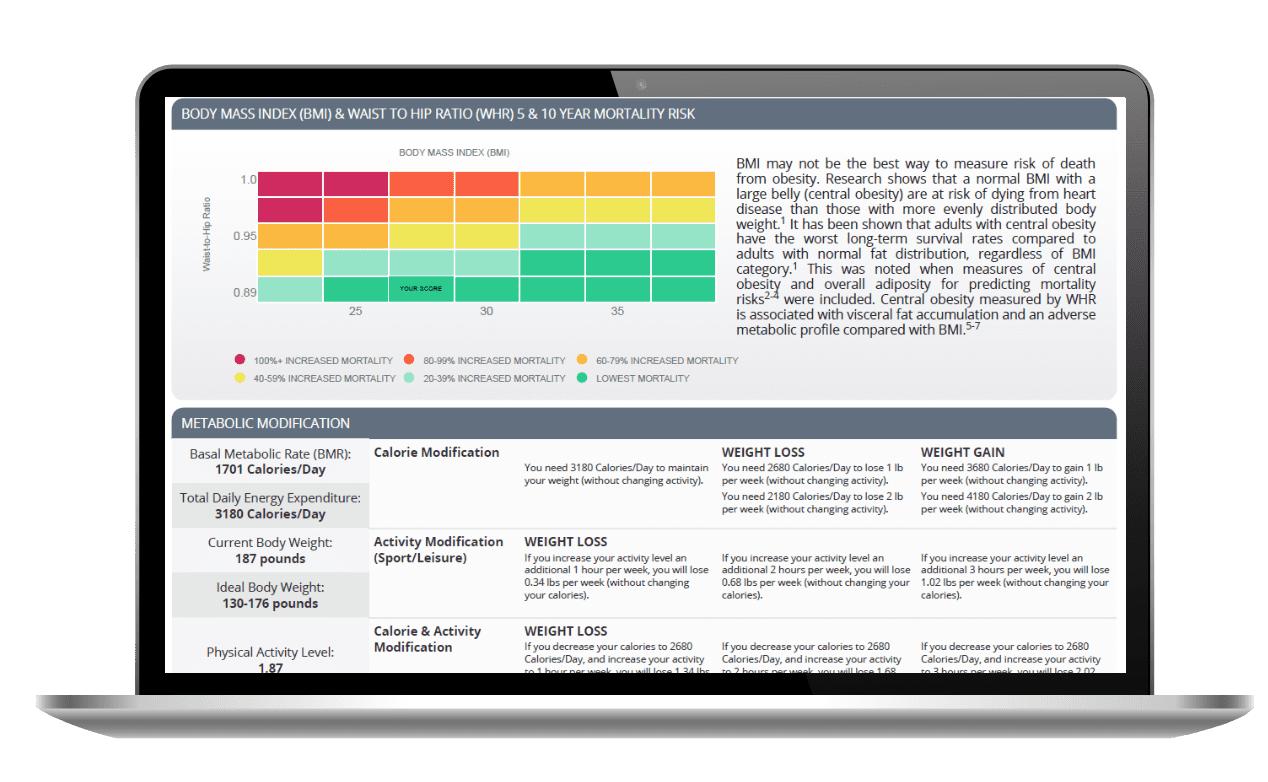
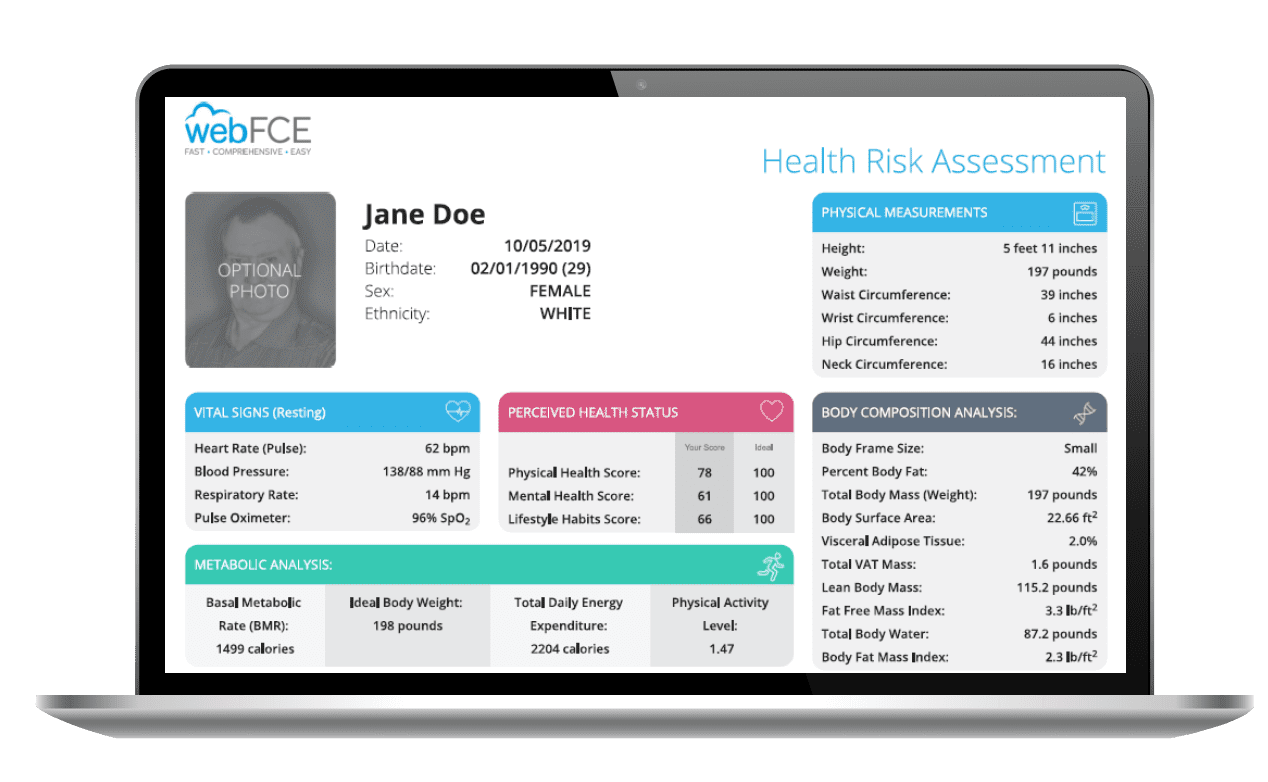
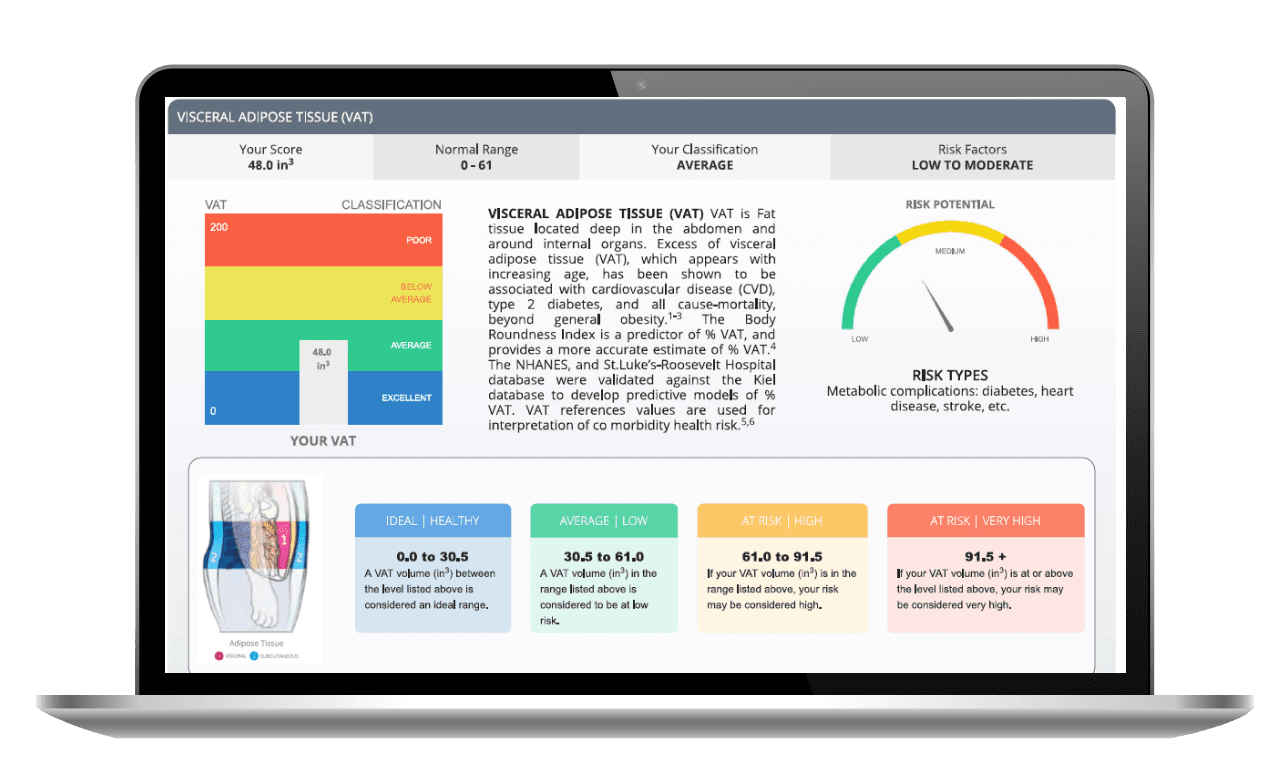
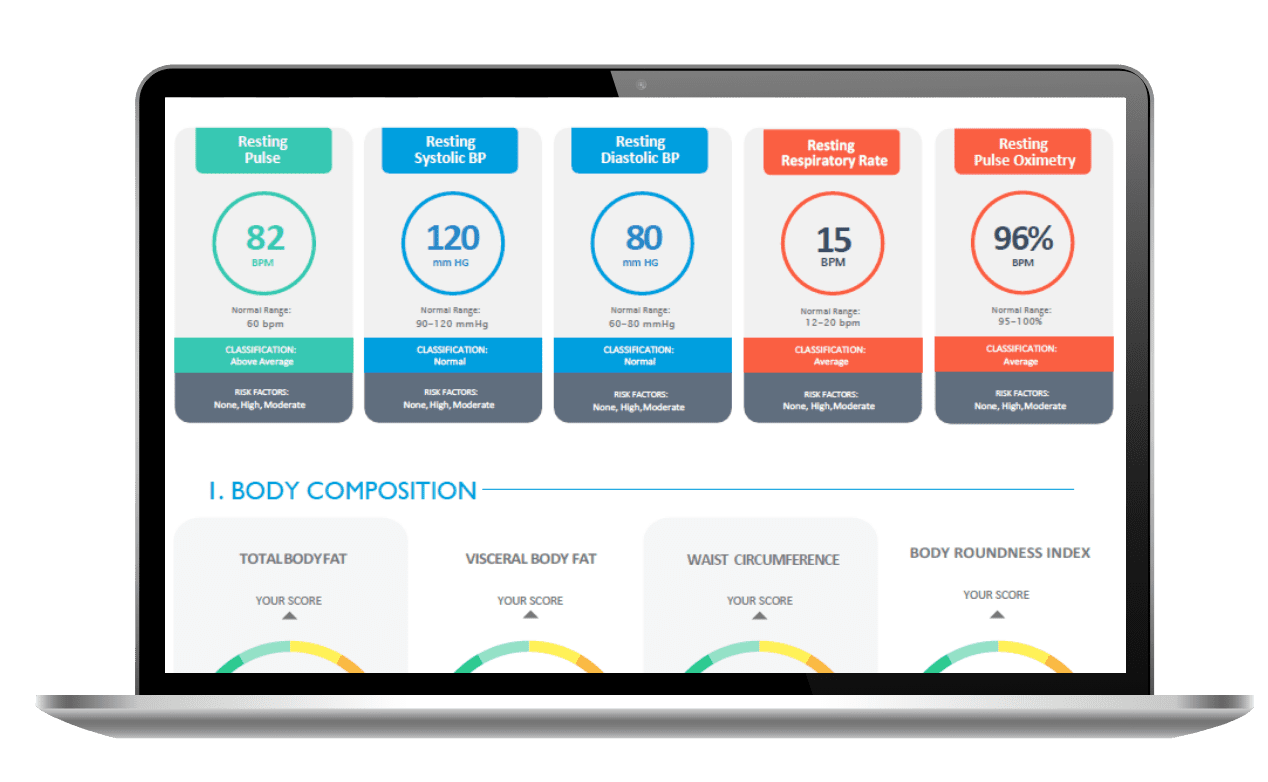
Plus, AccuHealth's Health Risk Assessment software tracks progress with an overall health score, allowing both the employee and employer to see measurable results over time, improving the individual's health awareness, prompting beneficial changes in lifestyle.
Grow Your Services. Improve Workforce Health.
The need for preventive health strategies has never been greater¹. A Health Risk Assessment delivers valuable insights to uncover potential issues, lower costs, and support long-term wellness². For healthcare providers and employers alike, HRAs create a reliable framework for improving outcomes—benefiting patients, clients, and employees across every level of care³.
Employers Value Health Risk Assessments
Health risk assessments are more than just a tool—they’re a competitive advantage for employers⁴. By offering HRAs through your clinic, companies can:
Cut Healthcare Costs
Identify risks early to lower expenses⁵.
Improve Employee Productivity
Address issues before they escalate further⁶.
Boost Workplace Morale
Show employees you value their wellness⁷.
Foster Healthier Choices
Promote choices that improve daily engagement⁸.
By integrating Health Risk Assessments into workplace wellness strategies, you position your practice as both innovative and indispensable⁹. These services enable employers to identify health risks early, control costs, and foster a safer, more resilient workforce¹⁰. At the same time, your clinic benefits from new revenue streams, stronger business relationships, and a leading role in advancing employee health outcomes¹¹.
When Health Risk Assessments (HRAs) Are Incorporated into Corporate Health and Wellness Programs, Employers See Huge Benefits¹².
Overall Health Care Costs
to
reduction in health care costs
to
saved for each dollar invested in wellness13
Absenteeism
to
reduction in costs due to absenteeism
to
saved for every dollar invested14
Presenteeism
saved by companies for every health risk factor that was reduced15
Benefits of Using HRAs for Employers and Organizations
Disease Prevention and Early Detection
Reduced Sick Time and Absenteeism
Fewer Doctor Visits for Employees
Lower Healthcare and Medication Costs
Employers spend less on claims and prescriptions13.
Increased Employee Productivity at Work
Healthier workers sustain higher levels of performance6.
Minimized Presenteeism: Working While Sick
Reducing health risks improves focus and efficiency15.
Reduced Short-Term Disability Claims
Early detection lowers short-term disability incidence and cost19.
Improved Worker Retention Rates
Employees stay longer when their well-being is supported20.
Stronger Employee Engagement
HRAs show commitment to wellness, driving employee buy-in21.
Higher Job Satisfaction and Morale
Employees value organizations that prioritize health7.
Higher Job Satisfaction and Morale
Comprehensive HRAs improve collective workforce health3.
Sustainable Long-Term ROI for Employers
Investments in HRAs deliver measurable returns through reduced costs and improved workforce performance22.
FAQ
References:
1. Goetzel RZ, et al. "The business case for quality health care." J Occup Environ Med. 2001.
2. DeJoy DM, et al. "The impact of worksite health promotion on health risk reduction." Health Educ Q. 1995.
3. Anderson DR, et al. "The effectiveness of worksite health promotion programs." Am J Health Promot. 2009.
4. Mattke S, et al. "Workplace wellness programs study." RAND Corporation, 2013.
5. Baicker K, Cutler D, Song Z. "Workplace wellness programs can generate savings." Health Affairs. 2010.
6. Loeppke R, et al. "Health and productivity as a business strategy." J Occup Environ Med. 2008.
7. Parks KM, Steelman LA. "Organizational wellness programs: A meta-analysis." J Occup Health Psychol. 2008.
8. Aldana SG. "Financial impact of health promotion programs." Am J Health Promot. 2001.
9. Goetzel RZ, Ozminkowski RJ. "The health and cost benefits of work site health-promotion programs." Annu Rev Public Health. 2008.
10. Pronk NP. "Worksite health promotion: Evidence of effectiveness." J Occup Environ Med. 2010.
11. Pelletier KR. "A review of workplace health promotion and cost-effectiveness." Am J Health Promot. 2005.
12. Musich S, et al. "The impact of personalized health risk assessments on health outcomes." Popul Health Manag. 2011.
13. Baicker K, Cutler D, Song Z. "Workplace wellness programs can generate savings." Health Affairs. 2010.
14. Chapman LS. "Meta-evaluation of worksite health promotion economic return studies." Am J Health Promot. 2003.
15. Goetzel RZ, et al. "Health, absence, disability, and presenteeism cost estimates." J Occup Environ Med. 2004.
16. Pronk NP, Kottke TE. "Physical activity promotion as a strategic corporate priority." Prev Chronic Dis. 2009.
17. Cancelliere C, et al. "Are workplace health promotion programs effective?" BMC Public Health. 2011.
18. Musich S, et al. "Association of health risks with utilization and costs." Am J Health Promot. 2003.
19. Burton WN, et al. "The association of health risks with short-term disability." J Occup Environ Med. 1996.
20. Naydeck BL, et al. "Impact of a health promotion program on employee health risks and health care costs." Am J Health Promot. 2008.
21. Terry PE, et al. "Workplace health promotion and employee engagement." Am J Health Promot. 2008.
22. Sorensen G, et al. "Integrating worksite health protection and health promotion." J Occup Environ Med. 2011.